
BROWN BENGAL CATS
Inspired by the beauty of the leopard, refined for family life.
Wild Appearance • Timeless Beauty • Distinctively Bengal
The Brown Bengal is the most recognised and iconic colour within the Bengal breed. Combining rich golden tones, dramatic rosettes, and a striking wild-inspired appearance, Brown Bengals capture the essence of what many people imagine when they think of a Bengal cat. Beneath their exotic looks lies an intelligent, interactive, and affectionate companion that has become one of the world’s most admired domestic cat breeds.
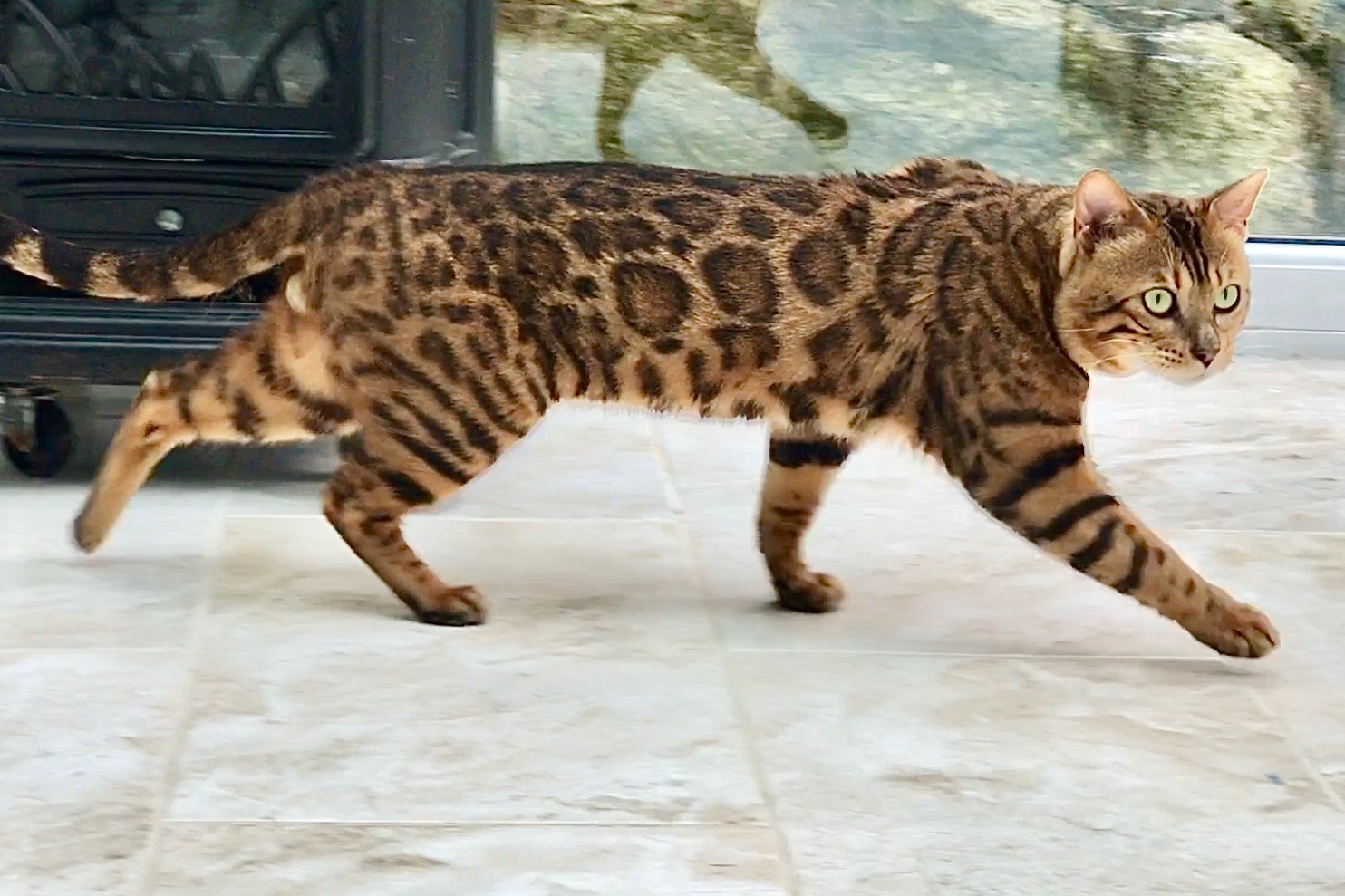
Brown Bengal Cat
The Original Bengal Colour
The Brown Bengal is the foundation colour of the Bengal breed and remains the most popular and widely recognised Bengal colour worldwide. Its rich coat and bold markings create the classic leopard-like appearance that Bengals are famous for.
Background colours can range from ivory and cream to golden, honey, orange, tawny, and deep reddish-brown. Brown Bengals may have either spotted (rosetted) or marbled patterns, with markings that vary from dark brown to black.
Brown Bengal Facts
• The Brown Bengal is the original and foundation colour of the Bengal breed.
• It is the most recognised and widely kept Bengal colour worldwide.
• Background colours can range from ivory and cream to golden, honey, tawny, orange, and rich reddish-brown.
• Brown Bengals may display either spotted (rosetted) or marbled patterns.
• Markings typically range from dark brown to black, creating strong contrast.
• Eye colours are commonly gold, green, hazel, or amber.
• Brown Bengals carry the agouti gene, allowing their patterns to remain visible.
• Coat colour and contrast often continue to develop as the cat matures.
• Every Brown Bengal is unique, with variations in colour intensity, pattern, and contrast.
• The Brown Bengal is admired for its leopard-inspired appearance and engaging personality.
The Appearance of Brown Bengals
Brown Coat Colour and Background Shades
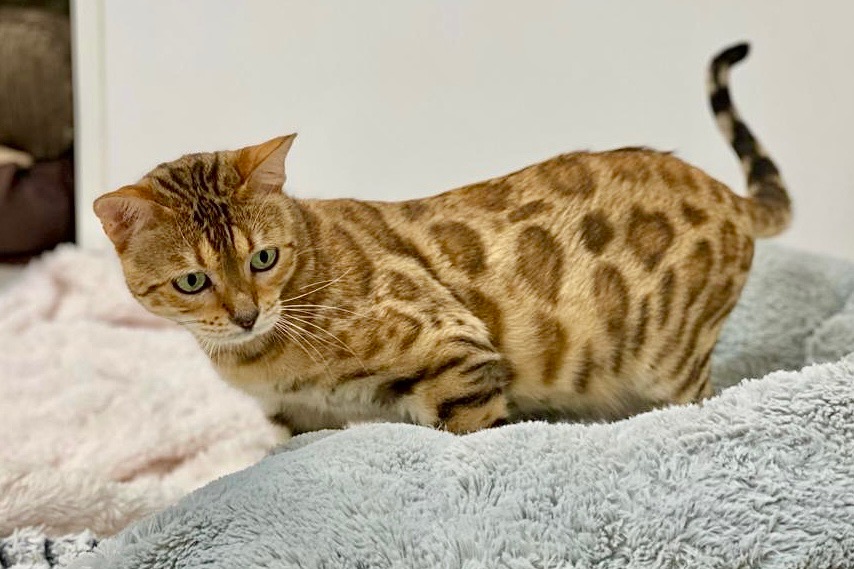
Brown Bengals display a remarkably wide range of background shades. These may vary from pale ivory and cream through warm buff, golden honey, tawny and rich orange to deeper reddish-brown. The intensity and warmth of the ground colour can differ considerably between individual cats, creating everything from soft, muted coats to exceptionally rich and vibrant colouring.
Rosettes and Pattern Types
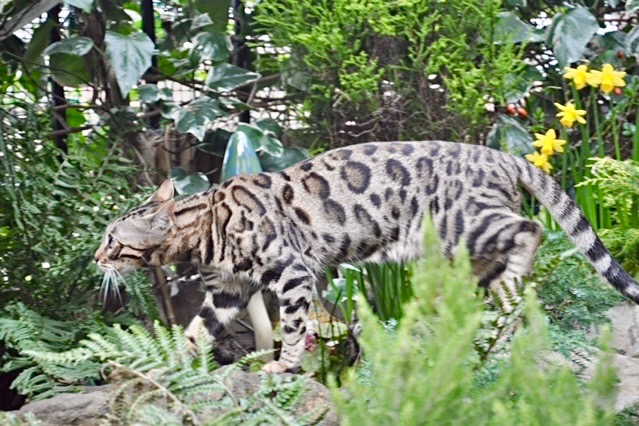
Brown Bengals may have either spotted/rosetted or marbled patterns. Rosetted Bengals can display several forms of two-tone markings, with darker outlines surrounding a contrasting centre, while marbled Bengals develop broad, flowing horizontal markings. In both patterns, good contrast and a clear distinction between the background colour and markings contribute to the Bengal’s distinctive appearance.
Eye Colours
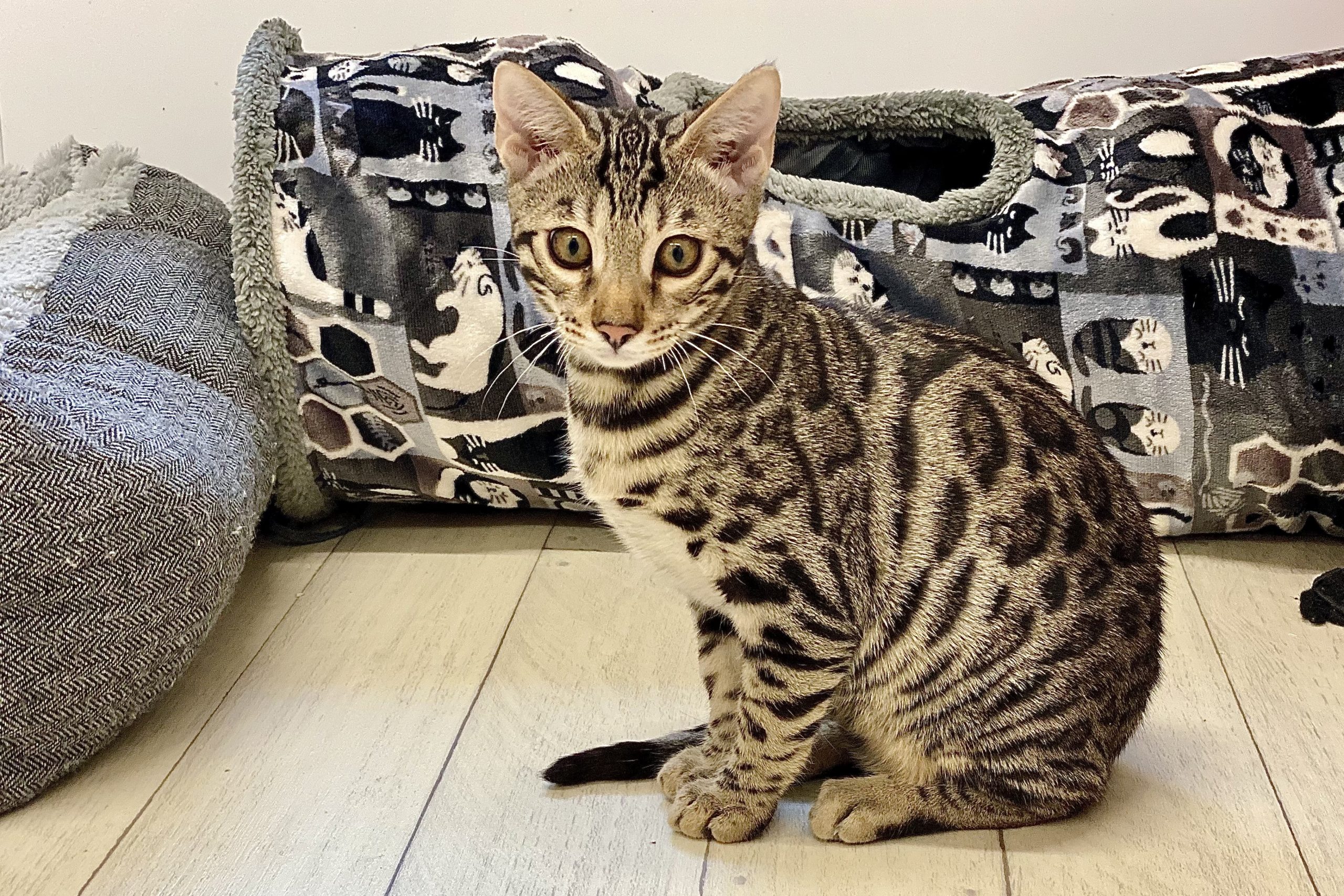
Brown Bengals may have green, gold, yellow or hazel eyes, with considerable variation in shade and intensity between individuals. Eye colour should complement the overall coat rather than determine whether a Bengal is considered Brown. Rich green and golden eyes can be particularly striking against warm brown coats and dark facial markings.
Nose Leather and Paw Pads
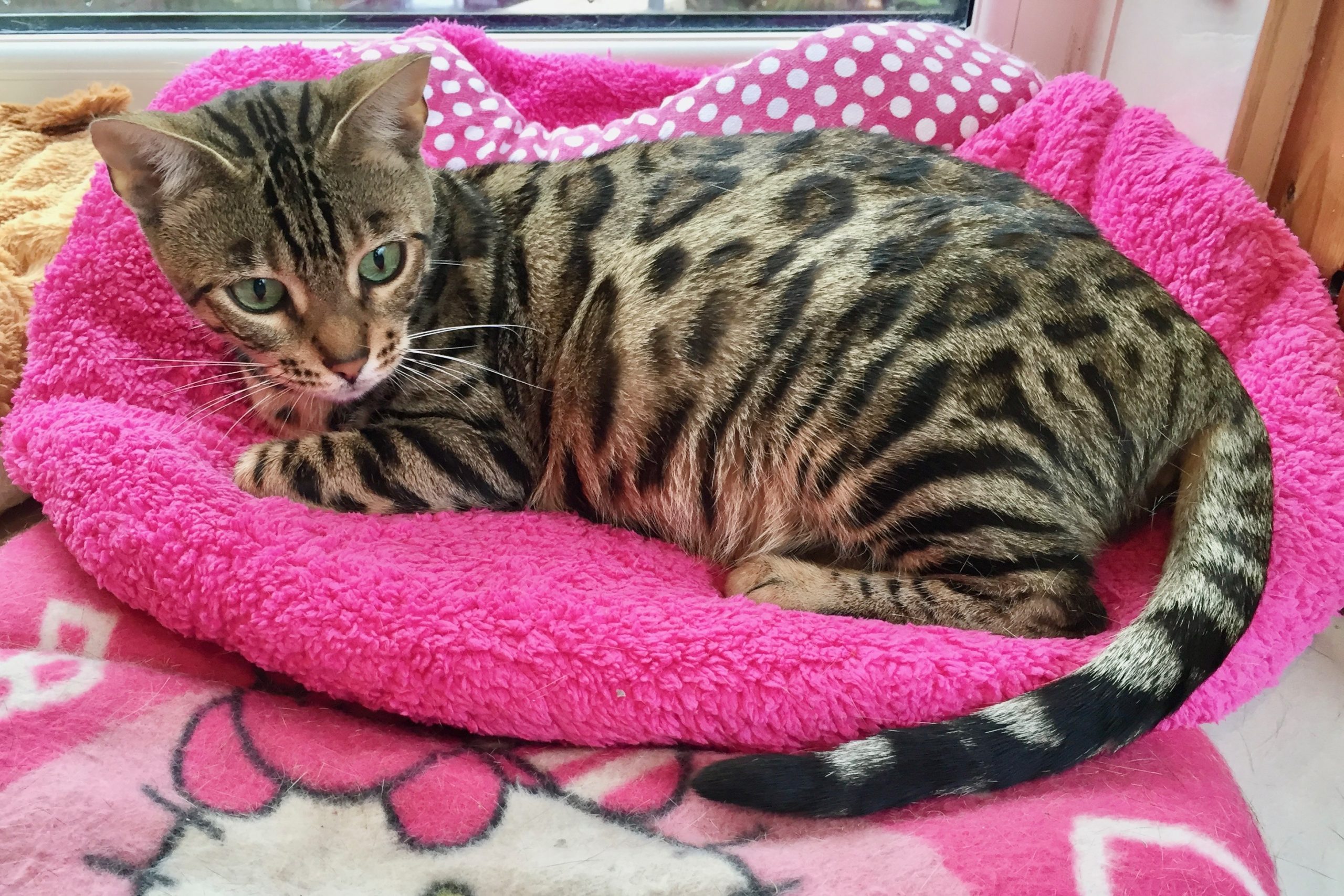
In Brown Bengals, the nose leather is typically brick red, often outlined more darkly, while the paw pads are generally dark brown to black. These features form part of the overall colour expression and provide useful points of distinction when comparing Brown Bengals with some of the other Bengal colour groups.
Brown Bengal Genetics Explained
Understanding the genetics behind the Brown Bengal helps explain the remarkable diversity of colours and contrasts seen throughout the breed.
The Agouti Foundation
Brown Bengals carry the agouti gene, which allows the individual hairs to display banding and enables the spotted or marbled pattern to remain visible. Without the agouti gene, the pattern would be largely hidden beneath a solid coat colour.
Why Brown Bengals Vary in Colour
Not all Brown Bengals look alike. Multiple genes influence coat colour intensity, warmth, contrast, and overall appearance. This is why some Brown Bengals appear pale and sandy while others develop rich golden or reddish tones.
Warm Tones and Rufousing
Rufousing refers to the warm golden, orange, and reddish tones often seen in Brown Bengals. Selective breeding has enhanced these rich colours in many lines, contributing to the striking appearance that owners admire.
The Relationship Between Brown and Other Bengal Colours
Rufousing refers to the warm golden, orange, and reddish tones often seen in Brown Bengals. Selective breeding has enhanced these rich colours in many lines, contributing to the striking appearance that owners admire.
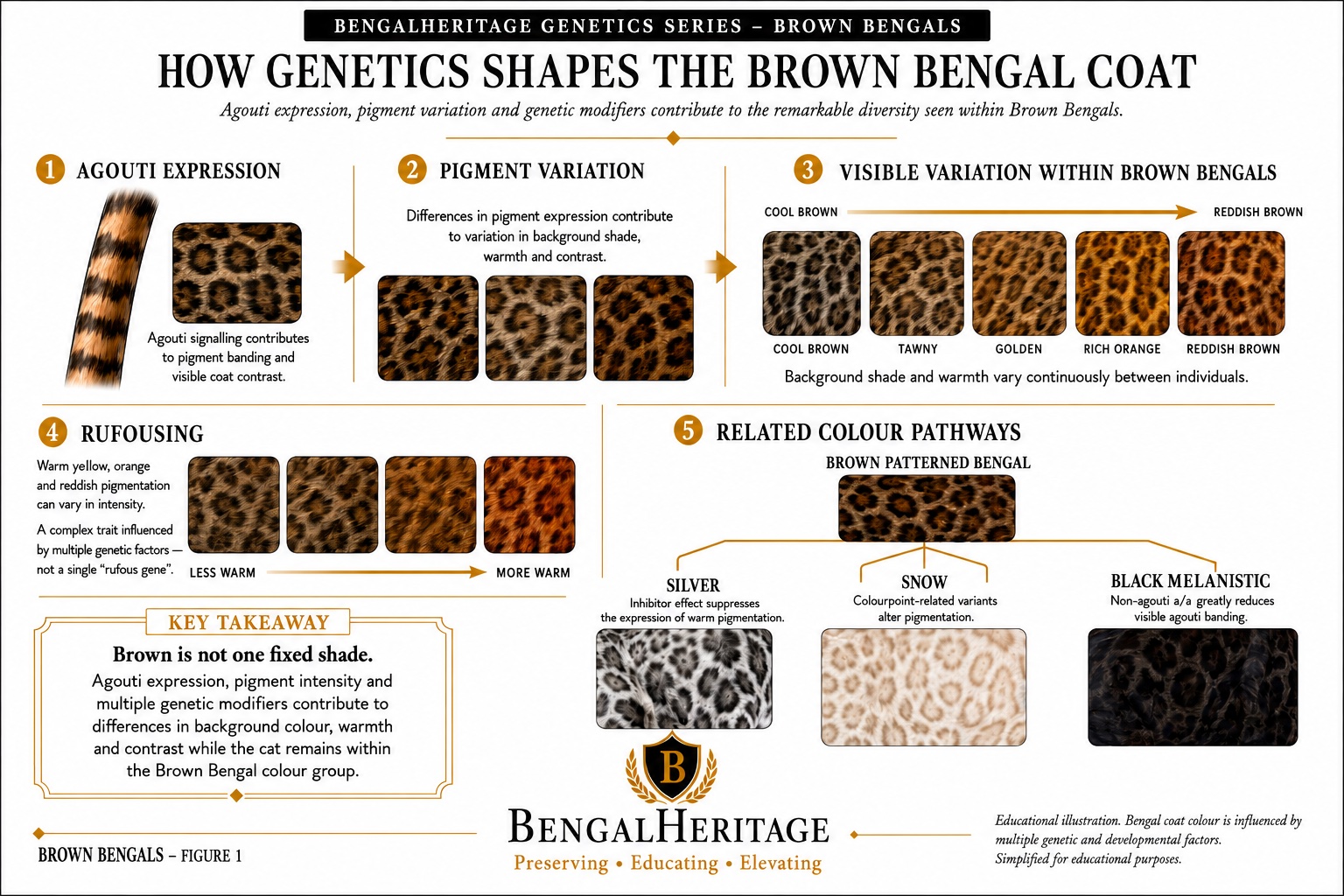
FIGURE 1 — HOW GENETICS SHAPES THE BROWN BENGAL COAT
Understanding Figure 1 — How Genetics Shapes the Brown Bengal Coat Title
Brown is not a single fixed shade. The familiar Brown Bengal phenotype reflects the interaction of agouti expression, pigment production and multiple genetic influences, producing considerable variation in background colour, warmth and contrast.
Agouti signalling contributes to pigment banding within individual hairs and helps create the visible distinction between the background coat and darker patterned areas. The Bengal’s spots, rosettes and marbling, however, are coat-level patterns formed across many hairs rather than markings contained within individual hair shafts.
Brown Bengals may consequently range from cooler brown and tawny backgrounds through golden and richly orange or reddish-brown tones. Rufousing contributes to the degree of warm yellow, orange and reddish pigmentation visible in the coat and is influenced by multiple genetic factors rather than a single recognised “rufous gene”.
Other Bengal colours demonstrate how additional genetic pathways can modify pigmentation. Silver suppresses much of the expression of warm pigmentation, colourpoint-related variants produce the Snow group, while the non-agouti a/a genotype greatly reduces visible agouti banding in Black Melanistic Bengals.
The important distinction is that cool brown, tawny, golden, orange and reddish-brown are not separate Bengal colour classifications. They describe part of the remarkable visible variation that can occur within the Brown Bengal colour group.
Brown Bengal Coat Development
Brown Bengal Temperament
Avoid linking temperament to colour!
Brown Bengals share the same behavioural characteristics found throughout the Bengal breed. Their temperament is influenced by genetics, socialisation, environment, routine, and individual personality rather than coat colour.
Brown Bengal Temperament
Intelligent and Curious
Brown Bengals are known for their intelligence, awareness, and curiosity. They enjoy exploring their surroundings and engaging with their family.
Interactive and Affectionate
Well-socialised Bengals often form strong bonds with their owners and enjoy participating in daily household activities.
Confident and Adaptable
When raised in a supportive environment, Brown Bengals generally develop into confident and adaptable companions.
Every Bengal Is an Individual
No two Bengals are exactly alike. Personality is influenced by a combination of genetics, upbringing, environment, and life experiences.
Shades of Brown Bengals
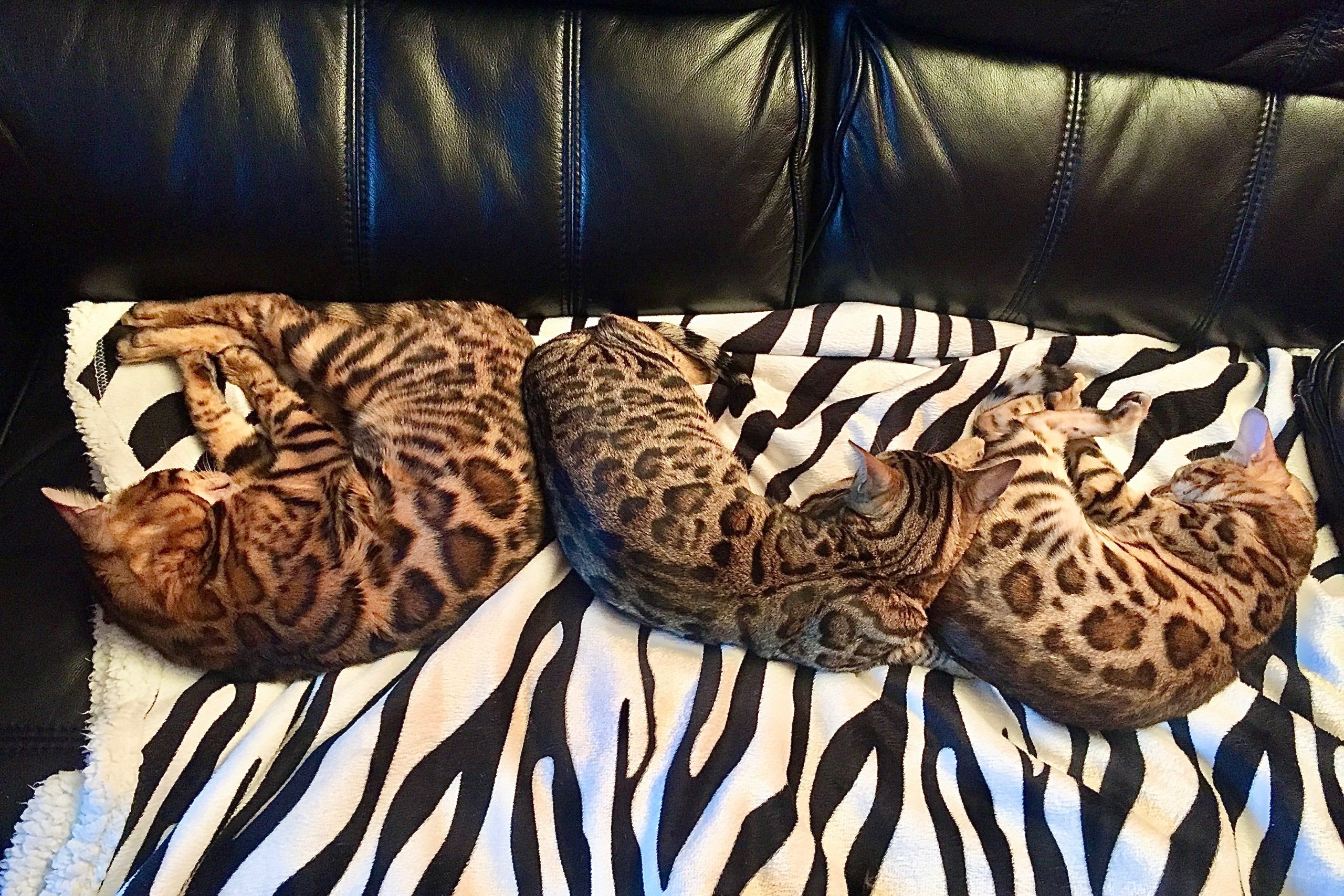
Golden Brown Bengals
Warm golden coats with strong contrast and rich pattern definition.
Honey and Tawny Bengals
Soft golden and tawny shades that create a natural wild-cat appearance.
Rich Orange-Toned Browns
Some Brown Bengals develop deep orange and reddish hues, particularly in well-established breeding lines.
Cool-Toned Brown Bengals
Less common cooler shades may display softer, more muted colouring while still retaining excellent pattern contrast.
High-Contrast Brown Bengals
These Bengals exhibit dramatic contrast between the background colour and their markings, creating an especially striking appearance.
Explore Related Bengal Colours
Discover the Diversity Within the Bengal Breed
Continue Exploring Bengal Colour Genetics
Frequently Asked Questions About Brown Bengals
Talk to Bengalheritage
Looking for a Bengal kitten or planning ahead? Tell us a little about your home — we’re happy to help.
You’ll hear directly from Us: Ed or Tony.
Looking for a Bengal kitten? Fill up the Join Waiting List form below to tell us what you’re looking for.
